Claude Code Just Made Pull Requests Fully Autonomous — Here Is What Three March Announcements Add Up To

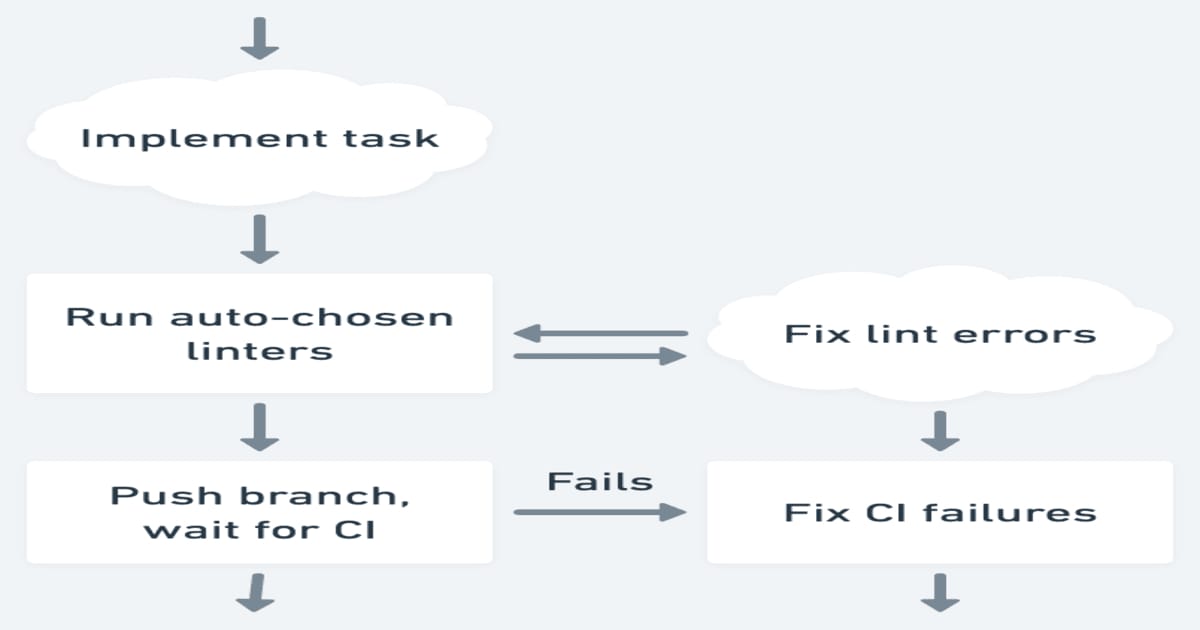
A pull request sat red for two hours over a three-keystroke ESLint fix. The developer saw it, knew exactly what needed to change, and kept deferring anyway — the cognitive tax of context-switching, re-running CI, and waiting eight minutes for the pipeline to go green just wasn't worth it in the moment. Three weeks later, that exact scenario resolves itself without anyone touching the keyboard. That's the concrete before-and-after that Alireza Rezvani documents in a hands-on Medium post mapping Claude Code's three March 2026 features — Code Review, Auto Mode, and Auto-Fix — into a single closed autonomous PR loop.
The pipeline works like this: Code Review detects the violation and triggers Auto-Fix; Auto Mode classifies the fix as safe and executes it without a permission prompt; the fix is committed and CI restarts automatically. What makes the post genuinely useful is that it doesn't stop at the happy path. Rezvani documents the failure modes too — Auto Mode's safety classifier blocks the loop on ambiguous multi-file refactors touching shared utilities, Auto-Fix occasionally generates a fix that passes one lint rule but breaks another, and the whole pipeline stalls silently when branch protection rules prevent direct commits. These are exactly the edge cases an engineering lead needs to understand before enabling autonomous loops in a production CI environment.
The practical takeaway the author lands on: gate the full autonomous pipeline to feature branches only, keep main requiring human approval. It's a sensible guardrail, and it's the kind of concrete configuration guidance that will start showing up in team CLAUDE.md files as more organizations experiment with agentic CI. This is the first piece that treats the three March Claude Code releases as a compound system rather than three separate announcements — and the compound view is the right one.