Enterprise RAG Had a Busy March 26th — 15 Announcements in One Day Signal a Tipping Point

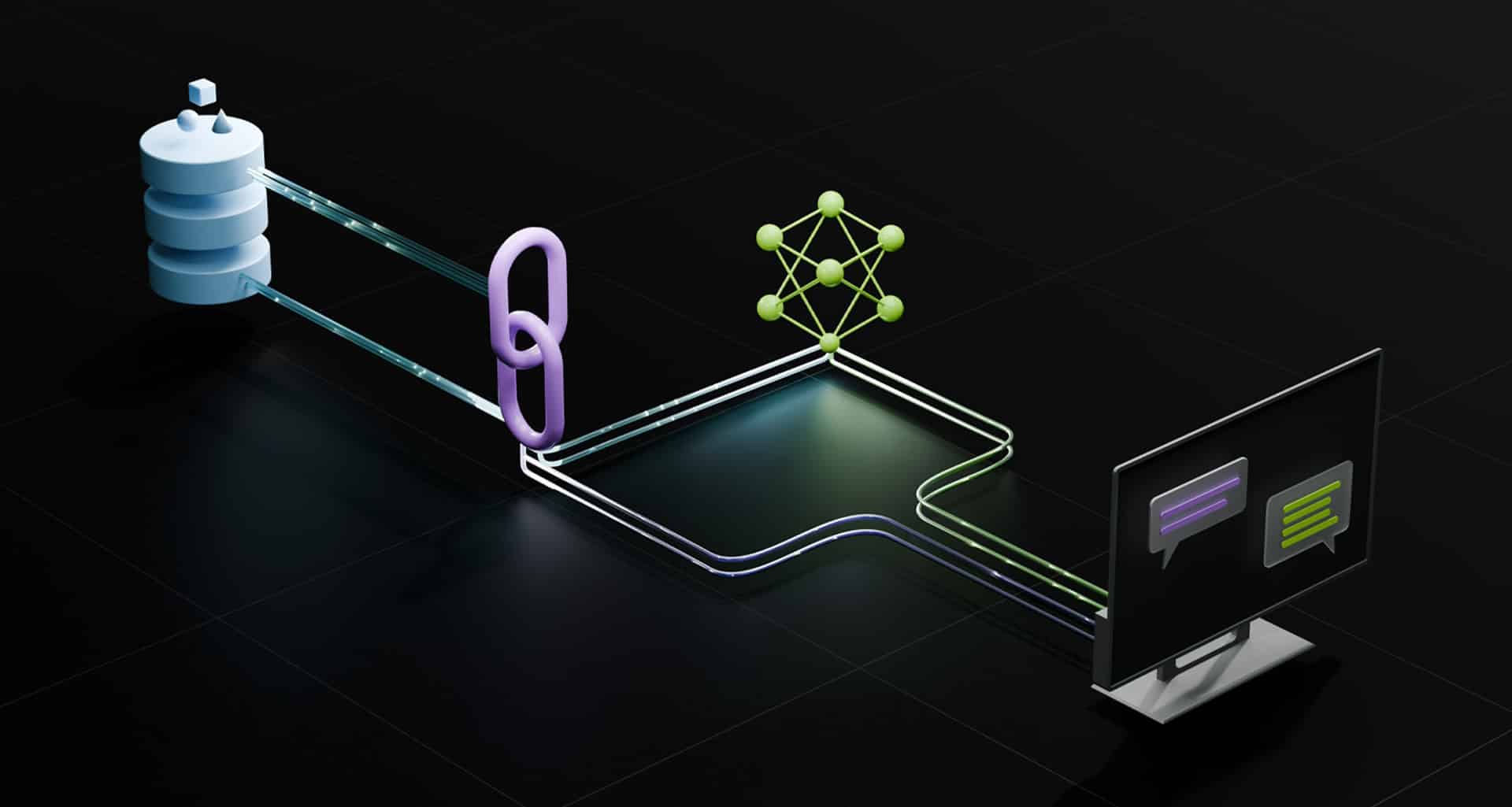
Fifteen separate enterprise RAG announcements landed on a single day — March 26th, 2026 — spanning new vendor integrations, accuracy tooling, reduced deployment timelines, and framework-level upgrades across industries from financial services to healthcare. The sheer density of coordinated activity in one calendar day is the kind of signal that's hard to dismiss as coincidence: it reflects a market that has moved past the proof-of-concept phase and is now racing to harden retrieval-augmented generation for real production loads.
The throughline connecting the announcements isn't model quality — it's integration depth. Enterprise teams are no longer asking whether to use RAG; they're asking how to make it reliable at scale without rebuilding their existing data stacks from scratch. LangChain and LlamaIndex emerged across the coverage as the dominant orchestration layers underpinning most of these deployments, with Haystack also appearing in several pipelines. What separates successful production deployments from stalled POCs, according to several of the announcements, is the ability to connect retrieval to existing enterprise data infrastructure — not the sophistication of the embedding model or the choice of vector store.
The broader implication for framework developers is significant: RAG has graduated from architectural pattern to production baseline. Engineers building on LangChain, LlamaIndex, or Haystack are now expected to deliver enterprise-grade retrieval systems — with proper evaluation pipelines, latency guarantees, and compliance-ready audit trails — not demos that work on curated datasets in a notebook. The frameworks that win the next 18 months will be the ones that make that transition easiest for teams who didn't architect their data infrastructure with AI in mind.