Gartner Recognizes Agentic AI Observability as a Distinct Market — Fabrix.ai Named in Six Reports

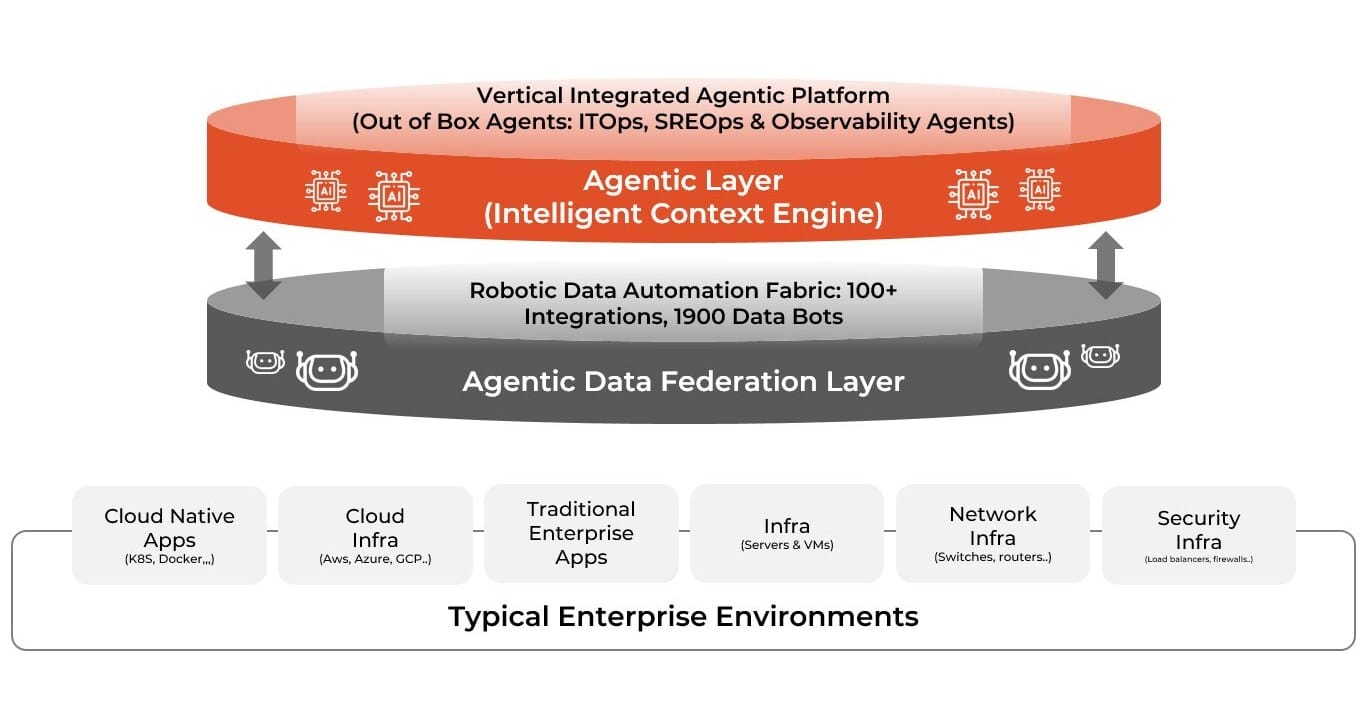
Fabrix.ai this week announced it has been cited in six separate Gartner publications, a cluster of analyst recognition that says as much about the maturing category as it does about the company. The reports span the Innovation Guide for AI Agents (January 2026), the Market Guide for AI Site Reliability Engineering Tooling, Redesign Observability With Business and AI Context, and three additional publications covering cloud service provider assurance, IT operations, and emerging technology categories. When a single vendor appears across six distinct Gartner research threads simultaneously, it typically signals that analysts have determined the problem space is real enough to track systematically — not just a buzzword trend.
The problem space in question is agentic AI observability: the discipline of monitoring, diagnosing, and recovering from failure modes that are specific to AI agents and that don't map cleanly onto traditional application performance monitoring. Standard APM tools can tell you a service is slow or a request failed. They can't tell you that an agent made a poor decision at step three of a twelve-step task chain, or that a subtask is looping in a way that will burn through token budget without producing useful output, or that an agent's tool-use patterns have drifted from baseline in a way that correlates with degraded output quality. Those are the failure modes that engineers building on LangGraph, AutoGen, or the OpenAI Agents SDK encounter in production, and they require instrumentation designed around the agent execution model rather than retrofitted from the web services world.
Gartner's recognition of this as a standalone market — distinct from general-purpose observability and distinct from AI model monitoring — is a structural signal that teams evaluating their agentic infrastructure should take seriously. If the analyst community is tracking AI SRE tooling as its own category, procurement conversations will follow, and the frameworks that integrate cleanly with purpose-built observability platforms will have a material advantage over those that treat logging as an afterthought.