Gartner Recognizes Agentic AI Observability as a Distinct Market — Fabrix.ai Named in Six Reports

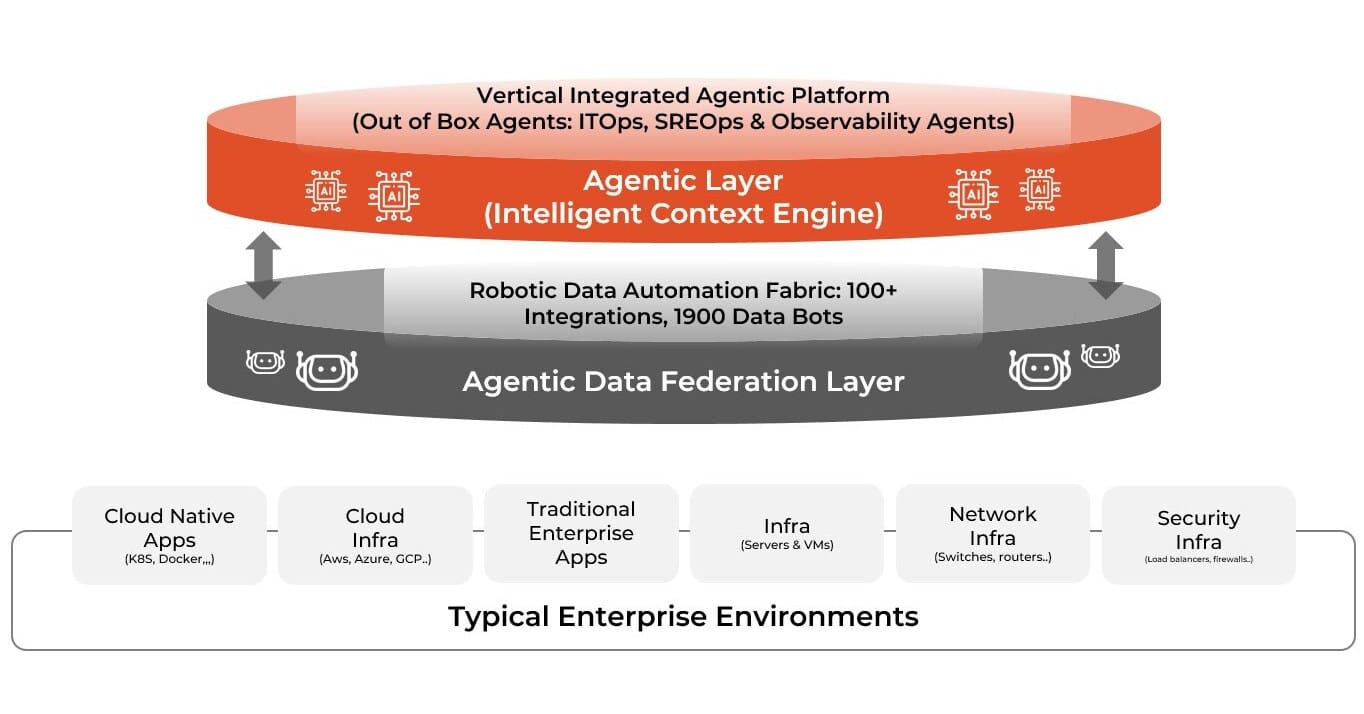
Fabrix.ai's announcement today that it has been cited in six separate Gartner publications is, on its face, a standard vendor PR move. What makes it analytically interesting is the breadth of the reports: the Innovation Guide for AI Agents, the Market Guide for AI Site Reliability Engineering Tooling, Redesign Observability With Business and AI Context, and three additional publications spanning cloud service provider assurance and IT operations. Six distinct Gartner reports carving out overlapping territory around agentic AI observability is the analyst community's way of saying that this is no longer a feature request inside existing monitoring platforms — it is a standalone product category with its own buyer, its own use cases, and its own competitive landscape.
The category distinction matters technically. Standard APM tools — even modern ones built for microservices and distributed systems — weren't designed for agent-native failure modes. Decision drift, tool misuse, runaway subtask chains, and cascading hallucinations across a multi-step workflow don't surface cleanly in request latency graphs or error rate dashboards. Engineers building on LangGraph, AutoGen, or the OpenAI Agents SDK have been discovering this the hard way since the first wave of agentic deployments, and the absence of adequate tooling is a direct contributor to the production-deployment gap that GeekyAnts is building a business around.
For teams evaluating observability investments alongside their framework choices, Gartner's recognition pattern signals that the market is consolidating around a specific set of requirements: incident management tuned for agentic failure modes, root cause analysis that can trace through multi-step tool chains, and SRE workflows that treat agent decision quality as a first-class signal alongside latency and throughput. The vendors who get into Gartner's next cycle of reports will likely be the ones who solved those three problems first.