Securing AI Agents Is the Defining Cybersecurity Challenge of 2026

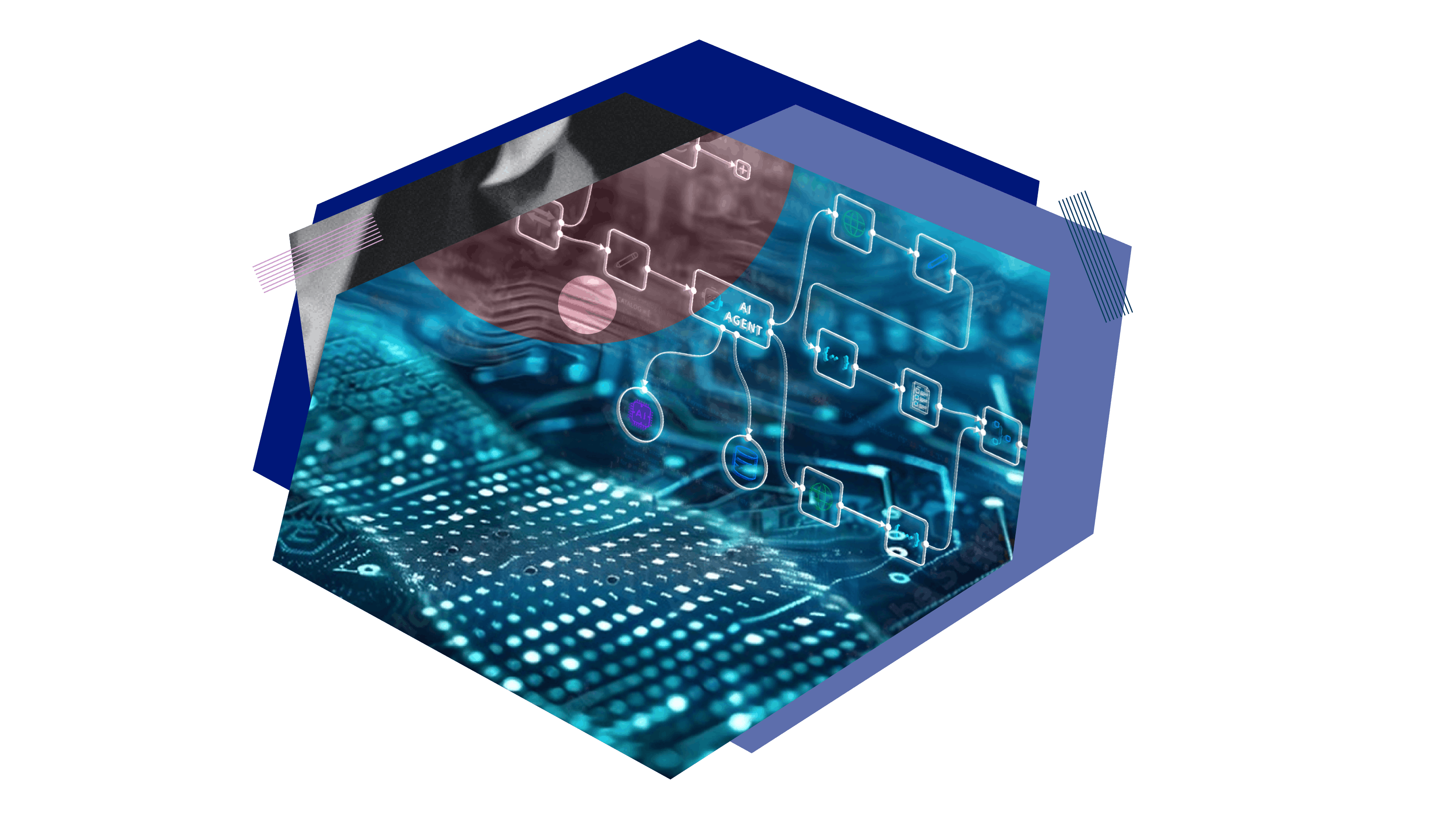
Bessemer Venture Partners' latest Atlas report pulls together a striking set of numbers around agentic AI security, and the picture they paint is uncomfortable. Forty-eight percent of security professionals now rank agentic AI as their single most dangerous attack surface. IBM's 2025 Cost of a Data Breach Report puts the average cost of a shadow AI incident at $4.63 million. And in a McKinsey red-team exercise, an autonomous agent fully compromised "Lilli" — the firm's internal AI platform — in under two hours, exploiting a chain of privilege escalation vulnerabilities that no single safeguard would have caught.
The BVP analysis is particularly sharp on the mechanism of risk. MCP's server model creates implicit trust relationships that are easy to misconfigure. Prompt injection attacks against long-running agents are qualitatively harder to defend than stateless API calls. And the privilege models most teams are using today — granting agents the permissions they need for the happy path without modeling the worst-case scope — don't hold up when an adversary is actively probing the action surface. Gartner's projection that 40% of enterprise applications will embed task-specific agents by end of 2026 means that attack surface is scaling fast.
The report stops short of prescribing a single solution, which is probably honest. Guardrails, sandboxing, and audit trails each address different layers of the problem, and the frameworks developers are building on today treat them as optional add-ons rather than first-class primitives. That framing will need to change. Security can't be retrofitted onto an autonomous agent that has already been running in production — it needs to be in the design from day one.