Securing AI Agents Is the Defining Cybersecurity Challenge of 2026

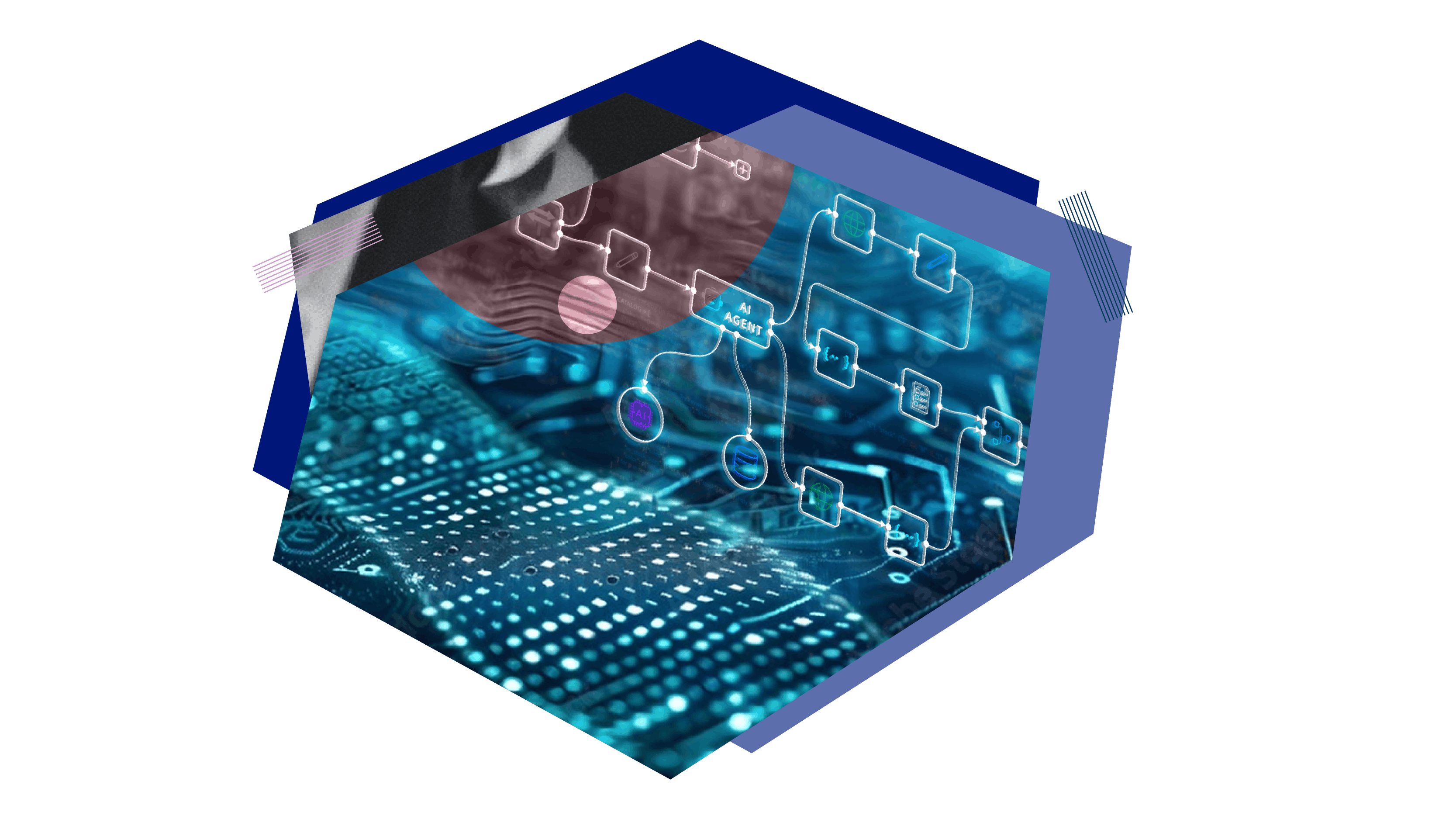
Agentic AI has become the dominant attack surface in enterprise security, and the numbers behind that claim are no longer speculative. A new report from Bessemer Venture Partners' Atlas practice finds that 48% of security professionals now rank agentic AI as the single most dangerous threat vector they face — above cloud misconfigurations, supply chain attacks, and insider threats. IBM's 2025 Cost of a Data Breach Report puts shadow AI incidents at $4.63 million per event on average, a figure that is climbing as agent deployments scale.
The attack vectors are specific and well-documented: MCP tool poisoning, prompt injection through tool outputs, privilege escalation via chained agent calls, and credential leakage through poorly scoped memory or file access. The BVP report cites a McKinsey red-team exercise in which "Lilli," their internal AI platform, was fully compromised by an autonomous agent in under two hours — not through a novel exploit, but through the same trust-boundary failures that affect virtually every major agent framework in production today.
Gartner projects that 40% of enterprise applications will embed task-specific agents by the end of 2026. That timeline means security can no longer be treated as a post-launch concern. Guardrails, sandboxing, minimal-privilege tool scoping, and tamper-evident audit trails need to be first-class primitives in agent architecture — not features added after the first red-team exercise. The BVP report outlines where each major framework currently falls short and which emerging tooling is closing the gap fastest.