VCs Are Writing Software Investments to Zero Because of Claude — and a Senator Wants Data Centers to Pay

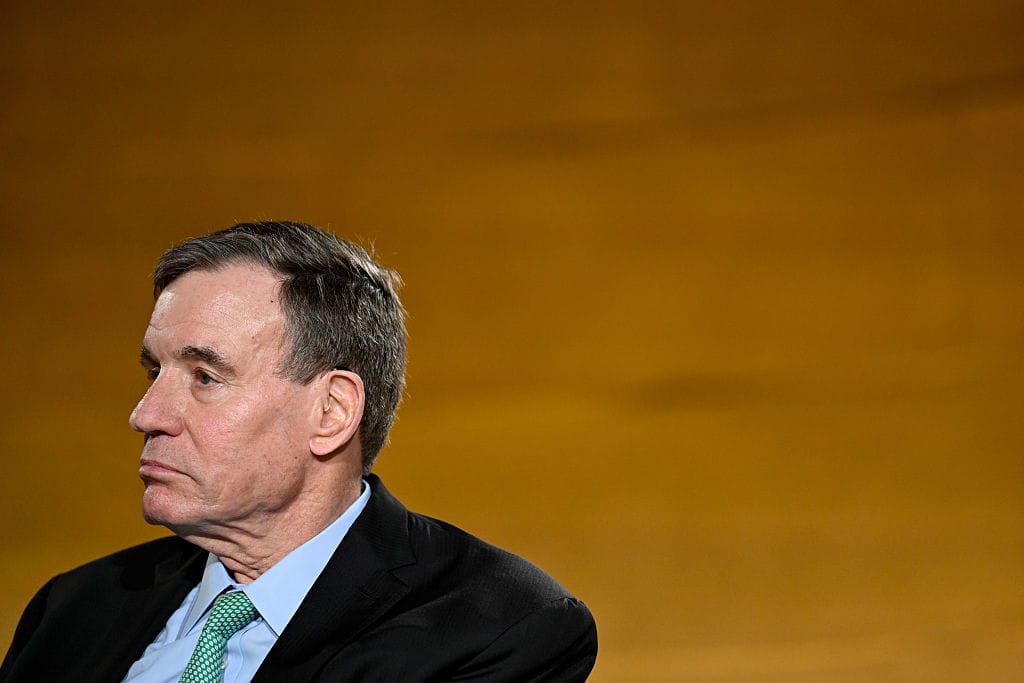
The AI jobs conversation moved from think-tank speculation to Senate chambers this week in a remarkably concrete way. Speaking at the Axios AI Summit in Washington, Sen. Mark Warner revealed that a venture capitalist had told him he's writing down software investment portfolios to zero — citing Anthropic's Claude as a primary driver. A major law firm made similar disclosures about not hiring first-year associates because AI now handles their workload. These aren't projections about the future; they're reports from the present, delivered in a room full of policymakers.
Warner's proposed response is a data center tax — redirecting revenue from the infrastructure powering AI toward displaced workers. The idea is gaining momentum alongside Sen. Bernie Sanders and Rep. Alexandria Ocasio-Cortez's bill to halt new data center construction entirely. Entry-level job postings in the U.S. have dropped 35% since 2023, and even Anthropic CEO Dario Amodei has publicly warned of "unusually painful disruption" ahead. The political window for AI labor policy is clearly opening.
The significance here is the shift in how AI capability is being framed in policy deliberations. Claude isn't being cited as a future risk — it's being named as evidence of present economic harm, in an official congressional setting, by a sitting senator. If the data center tax framing gains traction, it would effectively impose a levy on frontier AI companies for labor displacement externalities — fundamentally changing the economics of model training and deployment at scale.