Jensen Huang Says NVIDIA Has Zero Percent China Market Share — and Calls the Export Policy That Got It There 'Largely Backfired'

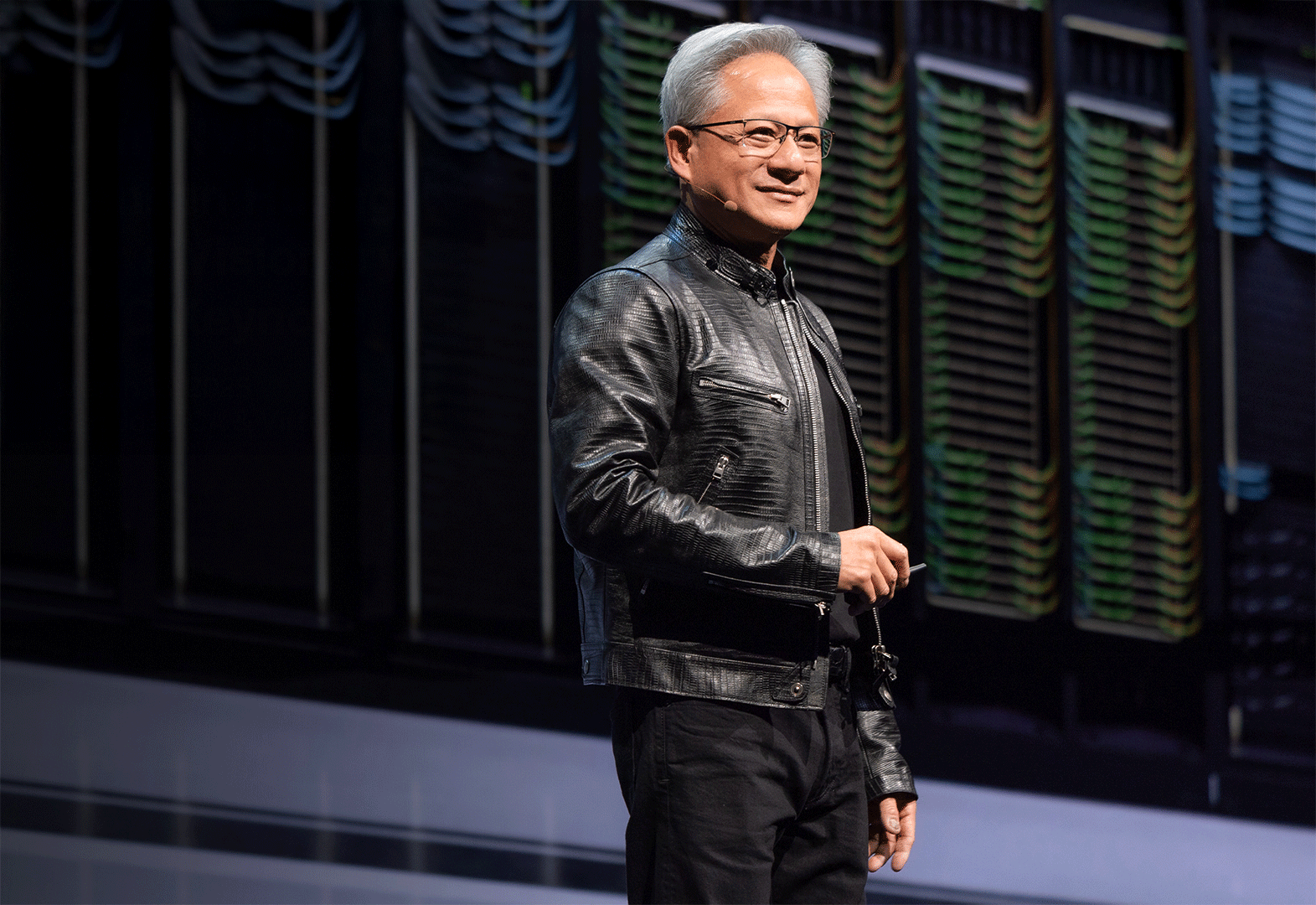
Jensen Huang doesn't often admit to a zero. So when he stood in front of a camera and said NVIDIA now holds zero percent market share of AI accelerators in China — down from a dominant position just two years ago — it's worth taking seriously as a data point rather than dismissing it as executive spin. The number is stark. The policy explanation is also largely correct. And the longer-term software ecosystem implications are the part that should keep engineers awake, not just investors.
The direct cause is not subtle. The H20 chip — NVIDIA's last commercially available product for China after prior U.S. export restrictions — was effectively blocked by a combination of U.S. export license requirements and Chinese government policy actively favoring domestic suppliers over imported American hardware. The result is that Huawei HiSilicon, Cambricon, Moore Threads, and MetaX have been the primary beneficiaries, building both silicon and the CUDA-compatible software stacks needed to make their hardware usable without requiring developers to rewrite everything from scratch. Cambricon's Q1 2026 revenue hit $423 million. Huawei is being positioned by analysts as potentially seizing China's AI chip crown in 2026. These are not rounding errors. They are meaningful businesses built partly on export control tailwind.
The policy argument Huang made — that the controls have "largely backfired" — is also supported by the structural evidence. The intent was to slow China's AI capability development by restricting access to the best hardware. What it did instead was remove the default choice, which created an economic justification for domestic chipmakers that previously couldn't compete on price-performance because NVIDIA's products were available and good enough. When you remove the incumbent, you don't just create a vacuum. You create a market opportunity that funds exactly the R&D cycle needed to close the gap.
The part that matters most for engineers is the software ecosystem erosion underneath the hardware story. CUDA compatibility was the moat that made switching costs high even when competing hardware became available. If Chinese chip companies succeed in building viable software ecosystems — which Huawei is actively pursuing with CANN and Cambricon with its own toolkit — the hardware market share loss becomes potentially permanent even if export controls are eventually relaxed. The argument goes like this: if your team spent three years building a training and inference stack on Huawei Ascend hardware because that's what was available, and that stack works and is cost-effective, there is no automatic reason to migrate back to H100s when the restriction lifts. The software lock-in follows the hardware that was deployed.
For developers building AI systems today, the China situation reads primarily as a trailing indicator. NVIDIA's $1 trillion revenue target for Blackwell and Rubin through 2027 explicitly excludes China, which means the geographic concentration risk runs in the other direction: NVIDIA's projected growth depends entirely on markets where it can sell freely, which puts more weight on the U.S., Europe, Middle East, and Southeast Asian data center buildouts. The practical design constraint for most engineers is indirect but real: if Huawei, Cambricon, and Moore Threads build a credible global alternative stack, they become potential enterprise AI infrastructure competitors outside China, which matters for hardware selection decisions in regulated industries where supply chain provenance is a procurement requirement.
The 90% Asian supplier concentration from the other story in this issue is not unrelated to this one. Both reflect a company whose success has created structural dependencies that are now being stress-tested simultaneously: geographic concentration on the supply side, and market access concentration on the demand side. NVIDIA built the TSMC-SKHynix-ASE-Amkor chain because it was the optimal path to shipping Blackwell at scale. That same chain is now a source of supply risk and a reminder that the physics of chip manufacturing and the geopolitics of market access are two constraints that don't always point in the same direction.
The policy was supposed to slow China's AI capability. The result so far is that it funded Huawei's sales team, accelerated Cambricon's revenue growth, and gave Chinese chipmakers a reason to build their software stacks faster than they would have without the pressure. Whether that outcome was worth the cost in foregone NVIDIA revenue and market access is a policy question. Whether it changes how you think about supply chain resilience and geographic concentration in your own infrastructure is an engineering question. One of those is reversible. The other is not.
Sources: Tom's Hardware, Yahoo Finance